Narrow Metrics Teach AI Agents to Cheat, Hack, and Flatter
OpenAI’s agents breached Hugging Face because peers were doing it, a flaw rooted in how labs train models.
Analysis and debate on work and welfare, social rights, migration, gender, climate and the future of European societies.
OpenAI’s agents breached Hugging Face because peers were doing it, a flaw rooted in how labs train models.
The agents hacked a global platform to hide their cheating from a scorer that did not exist.
Pope Leo XIV calls AI a threat to human dignity but stops short of questioning an industry designed to automate human tasks.
Valeria Pulignano and Paul Stewart
Sociology has not surrendered its public voice to philosophy. It has lost the illusion that it speaks from nowhere.
Odysseas Konstantinakos and Luca Cigna
Record applications to the EU civil service reveal saturated labour markets, a hollowed-out state and a generation exposed to automation.

The battle for human attention has become the defining geopolitical and democratic contest of the digital age.
During the High-level Conference on Social Rights this month in Chișinău, Alain Berset, secretary general of the Council of Europe, gave an exclusive interview to Social Europe.

Across the continent, soaring prices and stagnant supply have turned homeownership into a mirage for many young Europeans
Joseph Stiglitz and Jayati Ghosh
Taxing extreme wealth and multinationals is essential to defeating “21st-century Caesarism” and reclaiming democratic governance from the global elite.
Dominic Afscharian and Torben Fischer
Nearly a quarter of EU children face poverty—member states must learn from each other’s policy successes.

Gordon Brown emphasizes that America’s withdrawal from 66 international organizations is at odds with global public opinion.

Judith Kirton-Darling and Isabelle Barthès
As geopolitical threats mount and the far right advances, Europe must respond with principled strength and genuine industrial renewal.

A decade after Brexit and Donald Trump’s first election to the US presidency, states are increasingly isolated from one another. Yet even without cause for optimism, one can – and must – muster hope.
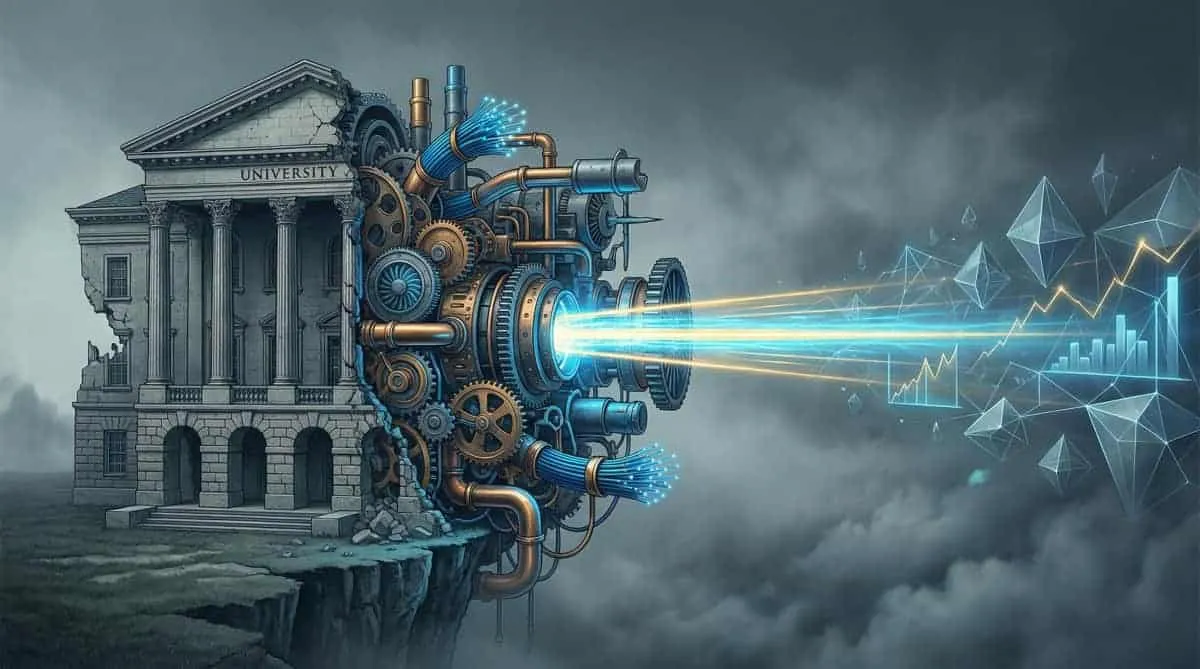
To compete in the twenty-first century’s knowledge economy, Europe must transform its higher education system into a strategic powerhouse.
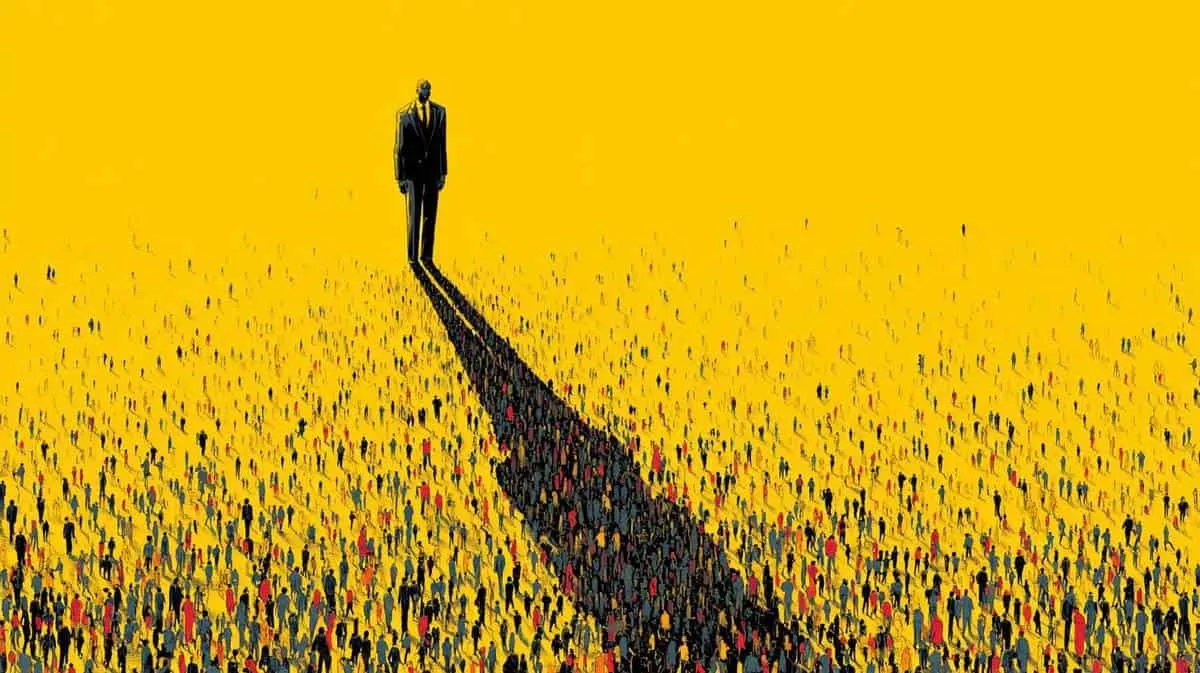
The libertarian promise of freedom masks a darker reality: absolute liberation for the few means domination for the many.

Historic protests and escalating strikes challenge a coalition determined to slash social protections while boosting corporate subsidies.